Iran Reportedly Orders Houthis to Prepare to Block Bab el-Mandeb Strait Amid Trump’s Threats to Target Power Plants
07/20/2026 / By Garrison Vance
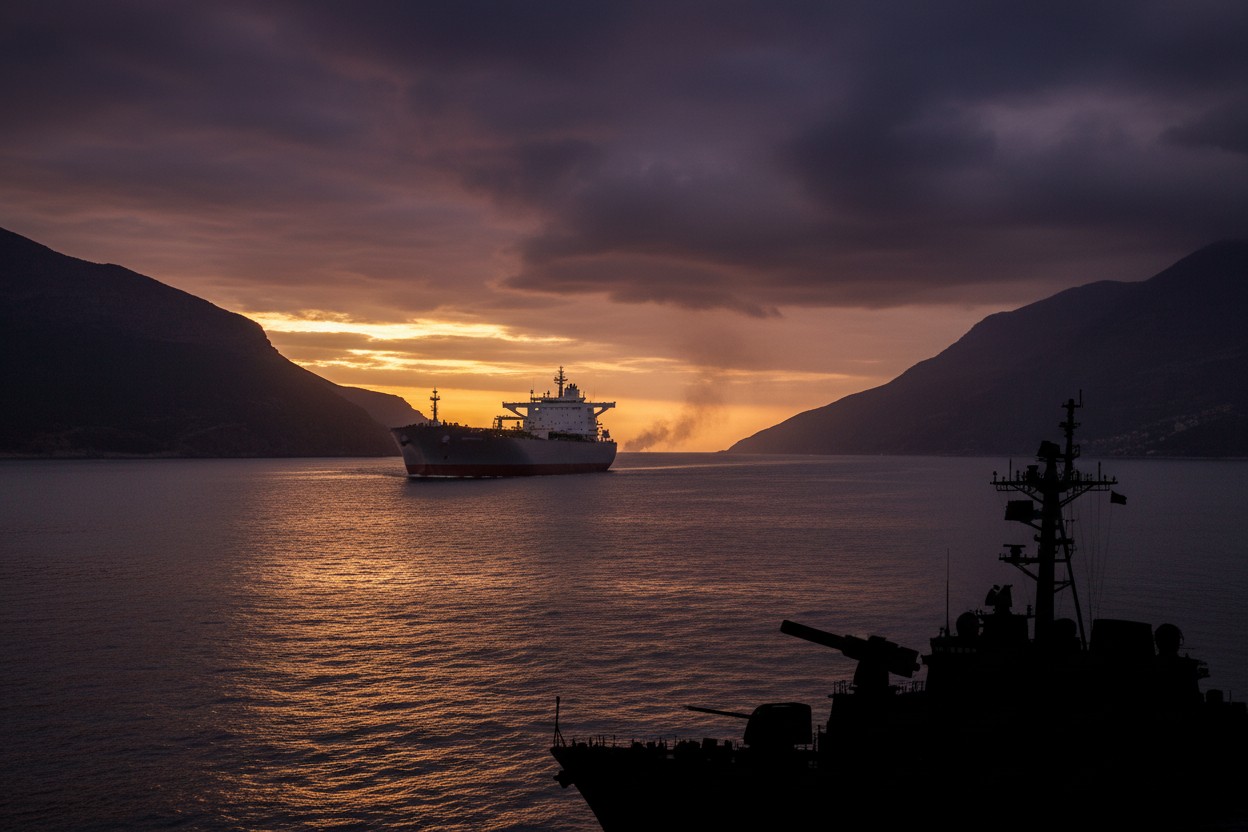
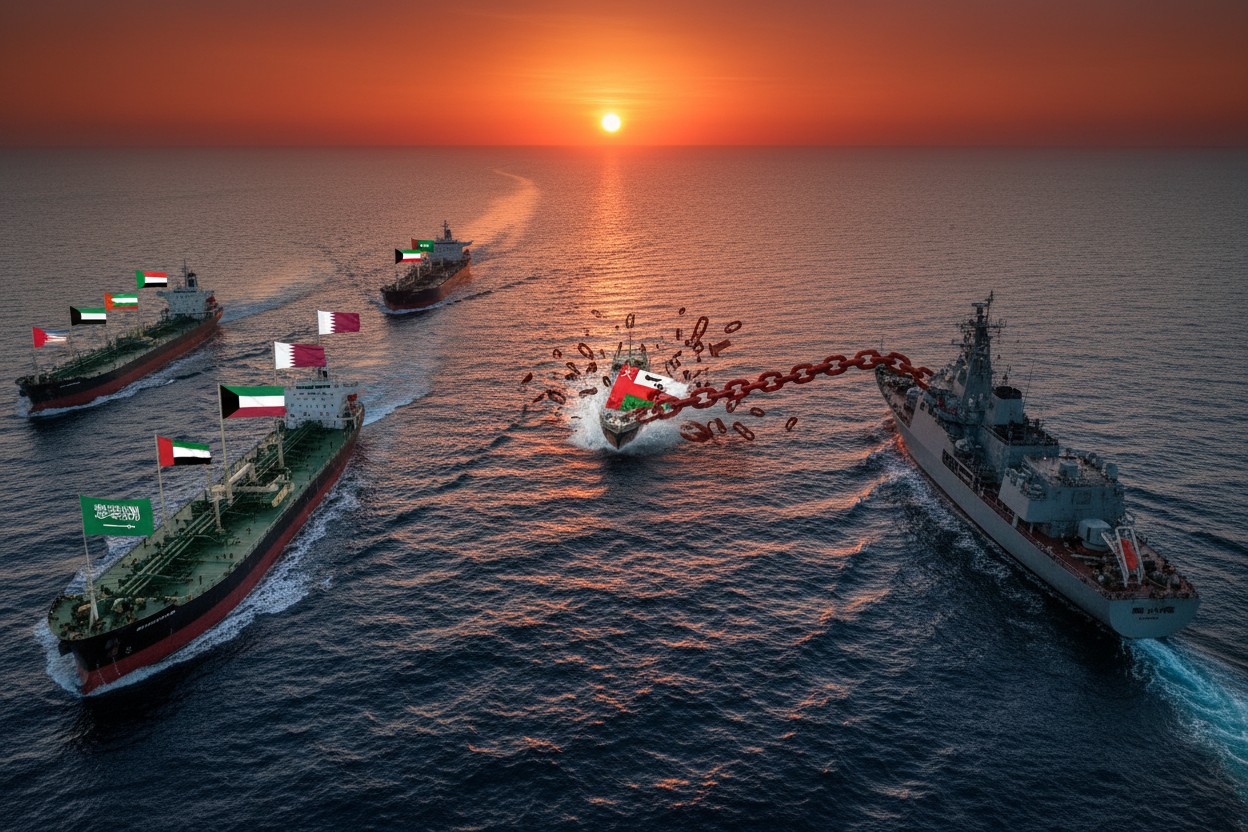
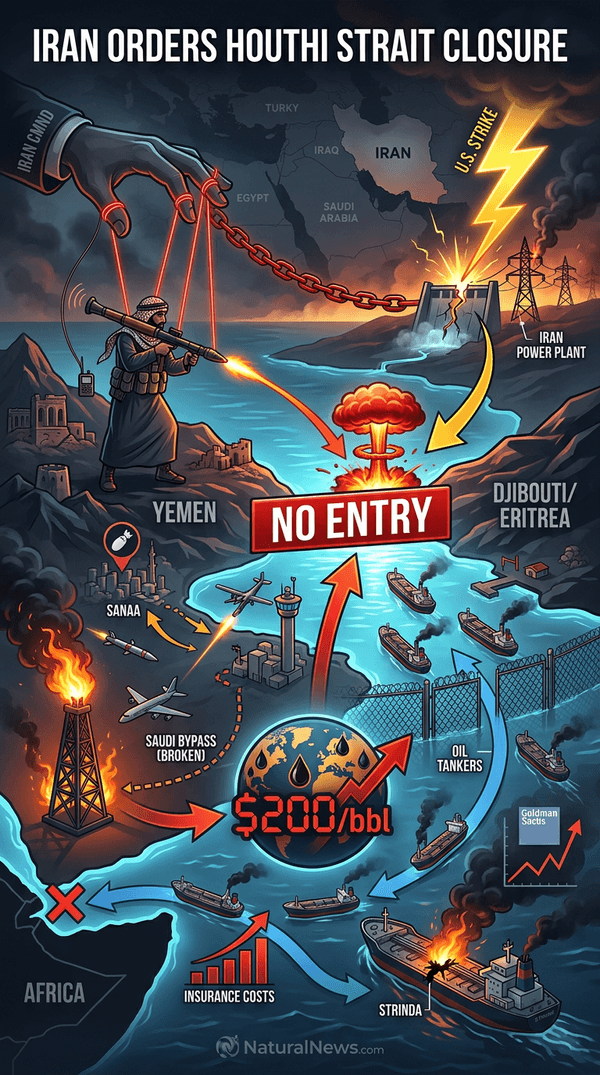
Iran has asked Yemen’s Houthi rebels to prepare to close the Bab el-Mandeb Strait if the United States attacks Iranian power infrastructure, according to three sources who spoke to Reuters on condition of anonymity. The request was conveyed to Iran’s Houthi allies in recent days, two senior Iranian sources and a regional source familiar with the matter said, according to the report [1].
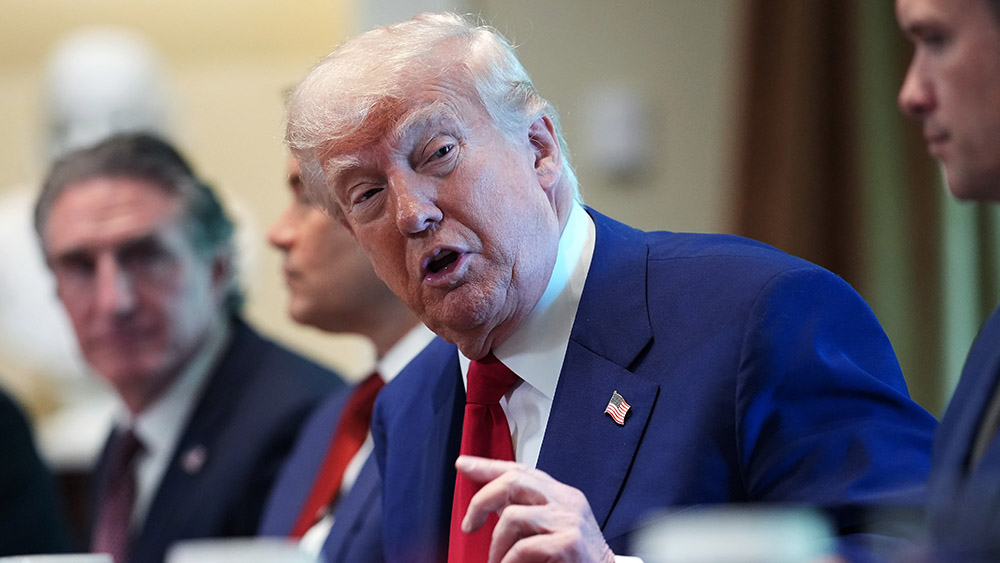
President Donald Trump warned on Fox News that the U.S. would target Iranian power plants and bridges next week if Tehran does not negotiate, according to the same report. “Next week it gets really bad for them because next week comes the power plants,” Trump said in comments cited by Reuters [2]. Houthi leader Abdel-Malik al-Houthi denounced the U.S. and Israel as “the source of evil and instability in the world,” according to a televised address [2].
Background on Houthi Capabilities and Recent Escalation
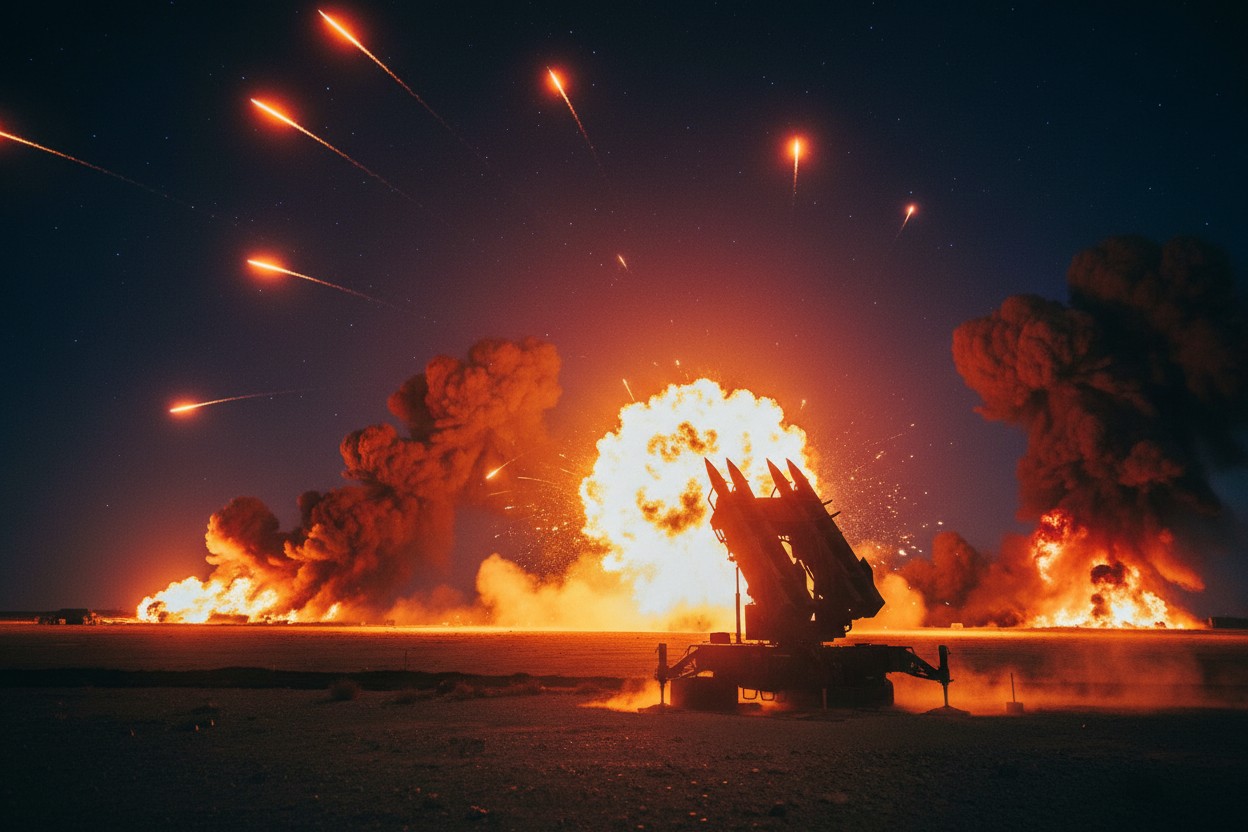
The Houthis have long warned of their ability to close the Red Sea oil route but had largely stayed on the sidelines of the expanding Gulf conflict centered on Iran since Operation Epic Fury began, according to ZeroHedge [2]. The situation changed dramatically after Saudi warplanes bombed Sanaa International Airport on July 13 in an effort to prevent an Iranian commercial jet from landing, the report stated [3]. The Houthis responded by launching missiles and drones at Saudi Arabian airbases and infrastructure, opening the possibility of a renewed Saudi-Houthi war reminiscent of the more intense conflict of the prior decade [2].
According to The Telegraph, cited by OSINTdefender on social media, the Houthis have prepared contingency plans to close the Bab al-Mandeb Strait in coordination with Iran if Tehran decides to escalate further [2]. The group has deployed missiles and drones near the strait, a critical entry point to the Red Sea that is about 20 miles wide at its narrowest point and connects the Red Sea to the Gulf of Aden [4]. The July 13 Saudi airstrike on Sanaa airport, which Trump reportedly greenlit [5], shattered a years-long truce between Riyadh and the Houthis [6].
Threat to Global Energy Supplies
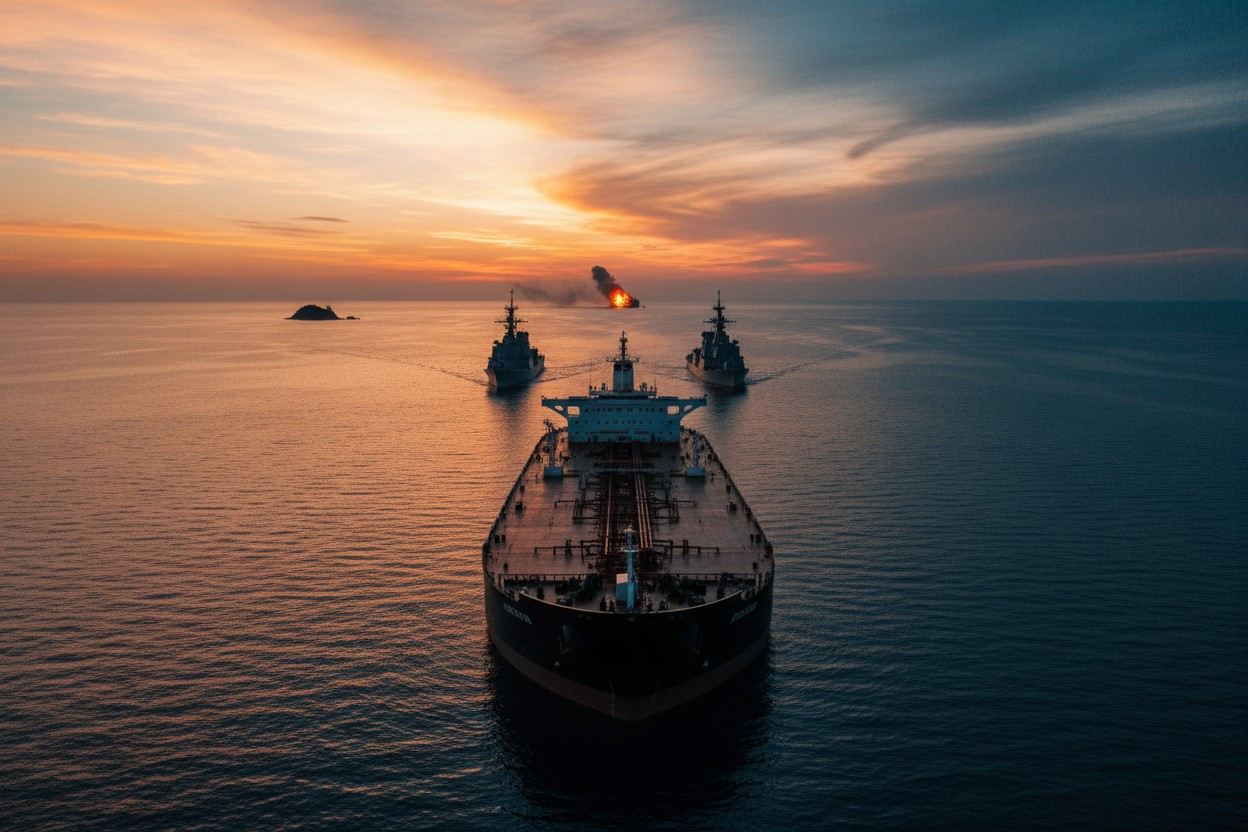
Closure of the Bab el-Mandeb Strait would block a key chokepoint for oil tankers, potentially disrupting global energy supplies. The strait serves as a linchpin for international trade and energy security, with a significant portion of global oil shipments transiting its waters [4]. Analysts have warned that such a disruption could significantly escalate the global energy crisis and lead to higher oil prices. Goldman Sachs previously warned that oil prices could double as a result of Red Sea attacks [7].
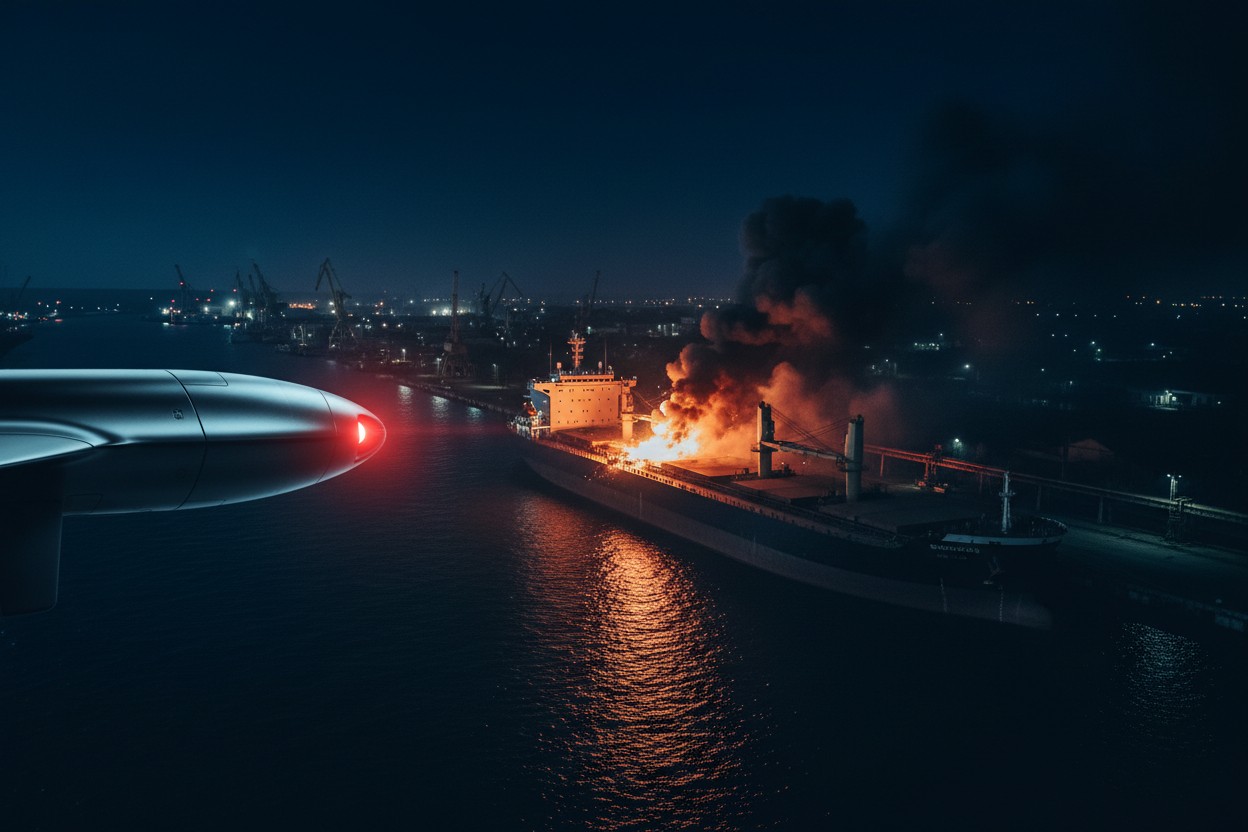
During the Gaza conflict, Houthi attacks on shipping raised insurance costs for vessels and prompted major shippers like British Petroleum to temporarily halt all crude shipments through the Red Sea due to a “deteriorating security situation” [8]. The Houthis have demonstrated their ability to target vessels, including the Norwegian-flagged tanker Strinda, which was hit by an anti-ship cruise missile while passing through the Bab el-Mandeb Strait [9]. A regional source familiar with the matter said the Houthis are ready to act if Iran decides to escalate further [1].
Regional Escalation Risks
Houthi missiles and drones could again target southern Israel, as well as Saudi Arabia and other Gulf Cooperation Council allies, according to analysts cited by ZeroHedge [2]. The opening of a renewed Saudi-Houthi war would mark a return to the intense conflict of the prior decade. The Houthis have already struck Saudi Arabia’s Abha International Airport with missiles and drones in retaliation for the bombing of Sanaa airport [10].
Iran’s strategy of employing proxy forces allows it to project power while avoiding direct confrontation, analysts have noted. The reported Houthi-Iran coordination raises the possibility of a broader regional conflict drawing in multiple state and non-state actors. Former U.S. Army Lieutenant Colonel Daniel Davis, speaking in a May 2026 interview, described the situation as rapidly evolving and warned that the conflict could widen [11]. As far back as 2008, Saudi Arabia began plans to build a pipeline from its eastern oil fields to the Gulf of Aden, bypassing the Strait of Hormuz, according to Charlotte Dennett’s book “The Crash of Flight 3804” [12]. That project underscores the long-standing strategic importance of the region’s chokepoints.
Conclusion
The U.S.-Iran standoff continues to escalate, with each side threatening new military and economic costs. Trump’s explicit threats to Iranian infrastructure and Iran’s reported counter-threat through the Houthis indicate a potential for direct military clash. Diplomatic channels remain inactive, and both sides appear to be preparing for further escalation. The Houthis’ role as a proxy deterrent highlights the interconnected nature of regional security dynamics, as the world watches whether the Red Sea will become a second front in an expanding conflict [13].
References
- Reuters. “Iran tells Houthis to close Red Sea oil route if US hits power network, sources say.” The Times of Israel. July 16, 2026.
- ZeroHedge. “Iran Tells Houthis To Close Red Sea Energy Chokepoint If Trump Bombs Power Grid.” July 16, 2026.
- ZeroHedge. “Saudi Jets Bomb Sanaa International Airport To Stop Iranian Passenger Plane From Landing.” July 13, 2026.
- Arsenio Toledo. “Bab el-Mandeb Strait: How targeted Houthi attacks and geopolitical tensions helped strangle shipping through this strategic chokepoint.” NaturalNews.com. January 21, 2025.
- Dave DeCamp. “Trump Gave Saudi Crown Prince Green Light For Attack On Yemen’s Sanaa Airport.” ZeroHedge. July 15, 2026.
- Middle East Eye. “Yemen’s Houthis say Sanaa airport bombed.” July 13, 2026.
- NaturalNews.com. “Oil prices could double as Red Sea attacks continue, experts warn.” January 11, 2024.
- NaturalNews.com. “Houthi rebel attacks prompt British Petroleum to pause all fuel shipments in Red Sea.” December 29, 2023.
- NaturalNews.com. “Yemeni Houthis claim responsibility for attacking Norwegian-flagged oil and chemical tanker with guided missiles.” December 15, 2023.
- BBC News. “Yemen’s Houthis launch missiles at Saudi Arabia after strikes on Sanaa airport.” July 14, 2026.
- Chris Martenson (interviewer). “Iranian Reality Check With Ret. Lt. Col. Daniel Davis.” PeakProsperity.com. May 5, 2026.
- Charlotte Dennett. “The Crash of Flight 3804.”
- Reuters. “After blocking Hormuz, Iran signals it could ramp up pressure and shut Red Sea gateway.” The Times of Israel. July 14, 2026.
Explainer Infographic
Submit a correction >>
Tagged Under:
Bab el-Mandeb Strait, big government, chaos, Collapse, energy, Globalism, Houthi, Iran, Middle East crisis, military tech, national security, oil shipment, power plant, products, Red Sea, supply chain, Trump, weapons tech, WWIII, Yemen
This article may contain statements that reflect the opinion of the author
RECENT NEWS & ARTICLES